
Blue-eyed soul — that’s what they call it, right?
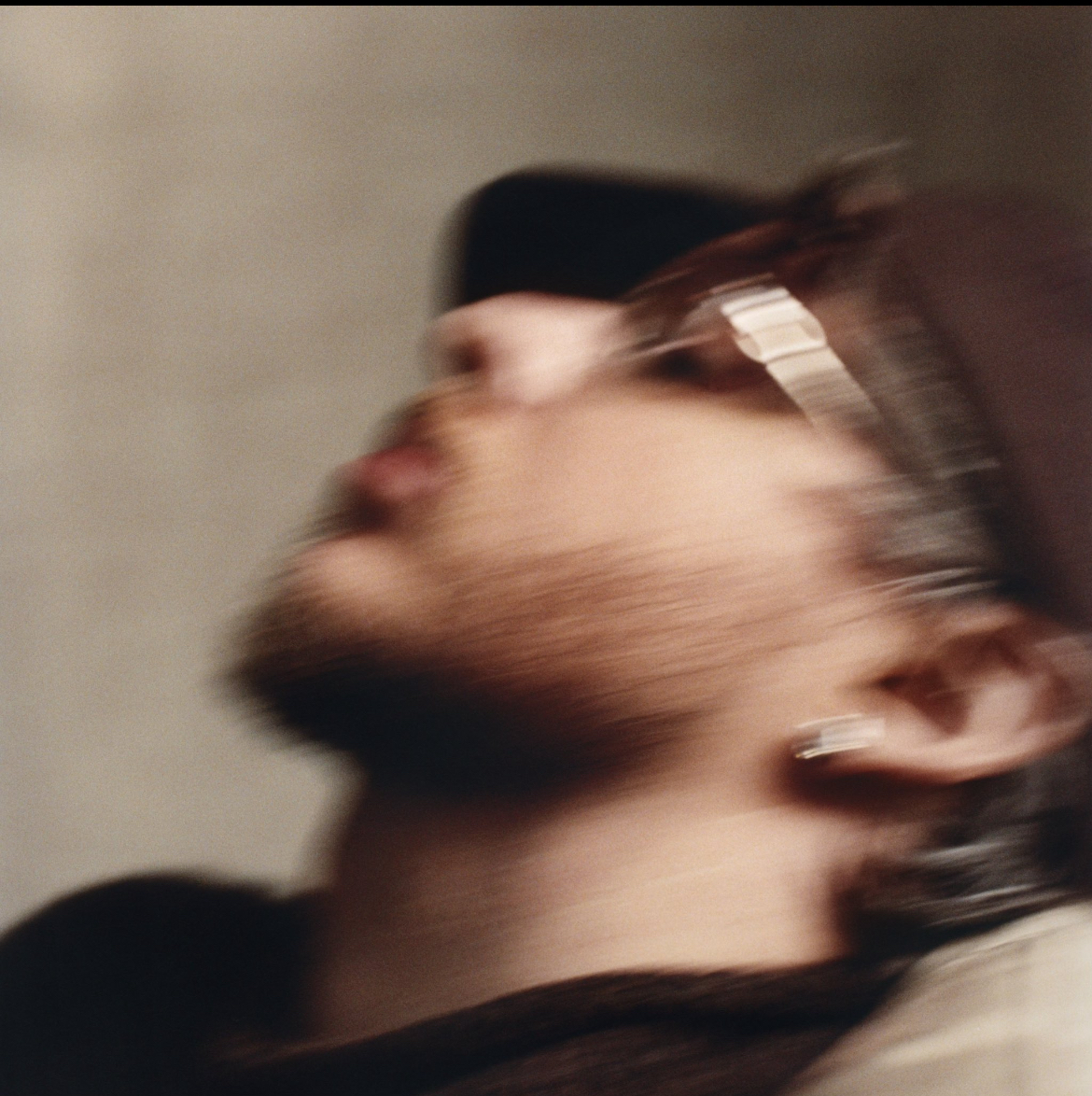
With Jack Harlow back on the scene and teasing a new album titled MONICA, reportedly inspired by R&B, the internet is once again having a familiar conversation. Fans and critics alike are confused, intrigued, and in some cases skeptical. When white artists — especially rappers — enter spaces shaped by hip-hop and R&B, their trajectory usually follows a predictable pattern: they benefit from the culture, gain mainstream visibility through genres largely pioneered by Black artists, and eventually pivot toward pop as a commercial steppingstone.
Harlow appears to be doing the opposite.
Instead of stepping away from the culture that helped elevate his career, he seems to be leaning further into it. Jokingly saying, “I got blacker,” Harlow’s creative pivot toward R&B has raised eyebrows. The confusion isn’t necessarily about whether he can do it — artists evolve all the time. The surprise lies in the timing. Harlow is already successful as a rapper, so a shift toward R&B feels like it came out of left field.
But the conversation quickly expands beyond one artist.
It brings us back to the longstanding discussion around “blue-eyed soul.” With Harlow’s move into the genre, the question becomes bigger than a white rapper making an R&B record. It touches on a deeper industry reality: Black artists who make the same music — and many would argue music that is even more authentic to the genre’s roots — often don’t see the same level of commercial success.
History shows a pattern.
Artists like Jon B., Justin Bieber, Robin Thicke, and Sam Smith have all built massive careers performing music rooted in R&B traditions. For many listeners, the sound is genuine to them. Yet there’s also a reality that their presentation — and how the industry markets them — can make the genre more palatable to broader audiences.
Sometimes that even plays out on the business side.
A record label might pass on signing a Black R&B artist who grew up immersed in the culture while investing in a non-Black artist performing a similar sound. That dynamic has long fueled debates about accessibility, gatekeeping, and who ultimately benefits from genres created within the Black community.
So the real question becomes: Who is responsible?
Is it the artist’s fault?
If someone genuinely loves R&B and wants to create that music — even knowing they don’t look like the majority of artists in the genre and may face backlash — should they pivot away from what feels authentic to them? Or should artistry remain free from those boundaries?
Take Reneé Rapp as an example. Many of her fans have pushed for her to release more R&B-inspired music, yet she’s been vocal about hesitating to lean too heavily into the genre because of the cultural conversation surrounding it and the impact it could have.
What makes this debate complicated is that the issue has never been a lack of great music from Black artists. If anything, the opposite is true. The problem lies more in visibility, industry support, and audience behavior.
So how do things change?
Do we start drawing lines around genres and stop “letting in” white artists? That approach feels unrealistic — and arguably contrary to what music is supposed to be. Genres evolve through collaboration, influence, and cultural exchange.
A more practical shift might come from how audiences show up.
Supporting Black R&B artists more intentionally — streaming their music, buying tickets to their tours, sharing their work, and advocating for them within the industry — could help rebalance the scales. Because at the end of the day, charts, ticket sales, and engagement are what labels pay attention to.
The conversation around blue-eyed soul isn’t new, and it won’t end with Jack Harlow’s next album. But moments like this reopen an important discussion about ownership, authenticity, and equity in music.
And maybe the real challenge isn’t deciding who should make the music.
It’s making sure the artists who built the foundation are supported just as loudly as the ones who benefit from it.