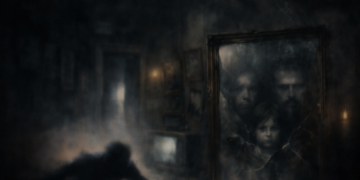


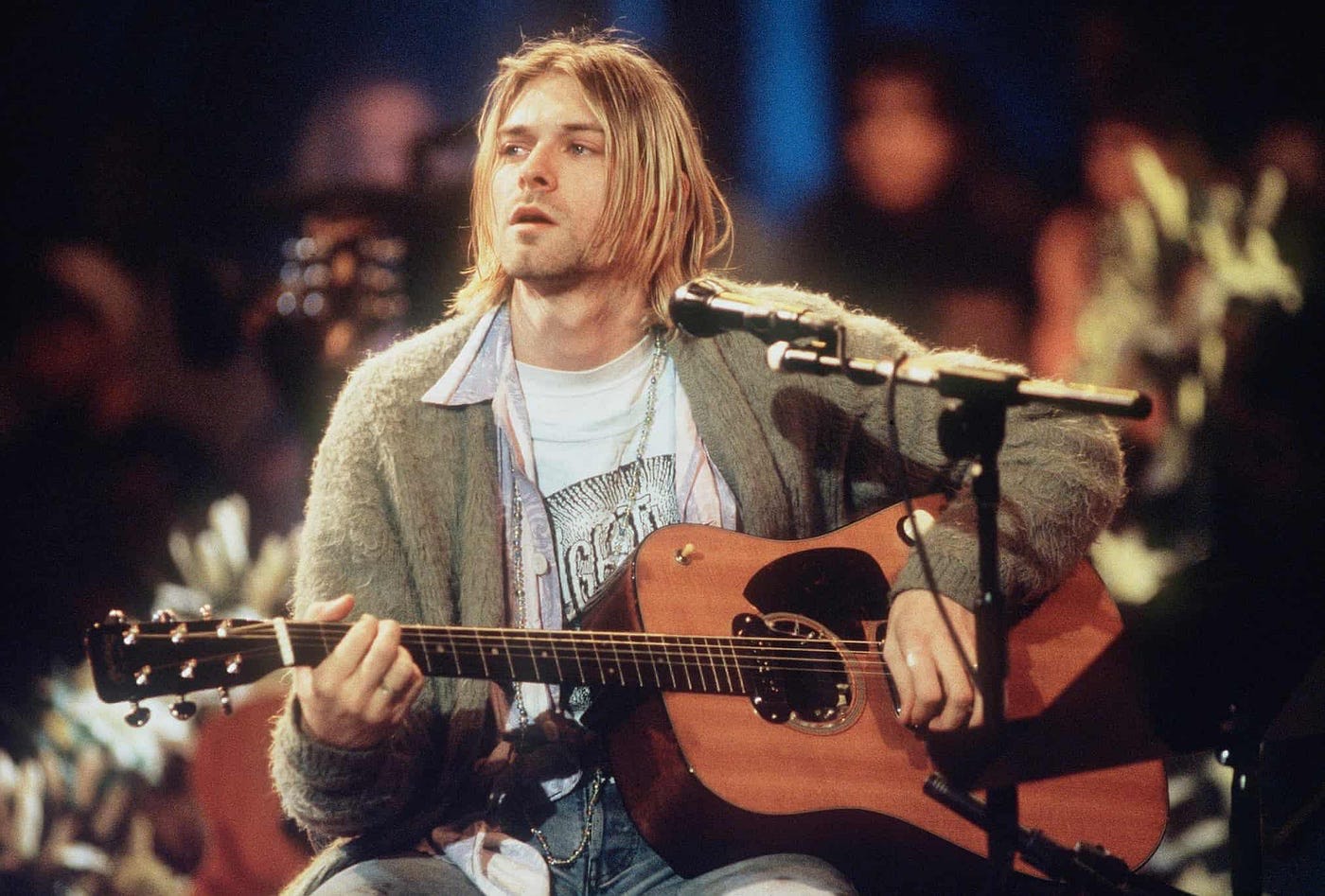
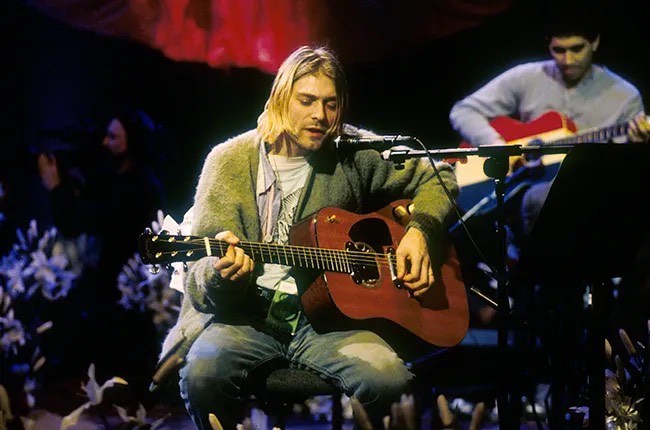
The staging itself added to the album’s haunting atmosphere. Cobain requested that the set be decorated with stargazer lilies, black candles, and a crystal chandelier. When a producer remarked that it looked like a funeral, Cobain reportedly replied, “Exactly.” In retrospect, this macabre vision foreshadowed the album’s role as a post-mortem farewell.
Stripped of the abrasive volume and distortion that defined the grunge movement, the Unplugged session revealed the raw, melodic strength of Cobain’s songwriting. His haunting vocals and the band’s delicate, yet tense, arrangements showcased a vulnerability that was often masked by their electric power. It hinted at an artistic direction Nirvana—or perhaps just Cobain—might have explored had his life not been tragically cut short.
An Immediate and Enduring Legacy
Upon its release, MTV Unplugged in New York debuted at Number One on the Billboard 200, achieving the highest first-week sales of Nirvana’s career and eventually selling over 12 million copies worldwide. More than a commercial success, the album served as a powerful form of collective mourning for a generation of fans.
Tracks like the emotionally raw “Where Did You Sleep Last Night” (Lead Belly cover) and the beautifully somber “All Apologies” resonated with an aching finality. It cemented Nirvana’s status not just as the biggest band of their era, but as artists whose depth transcended the punk-rock boundaries they so often challenged. The album went on to win a Grammy for Best Alternative Music Performance in 1996, standing as a permanent testament to the genius of Kurt Cobain and the indelible mark Nirvana left on music.
Thirty years later, MTV Unplugged in New York remains one of the greatest and most essential live albums ever recorded—a poignant, fragile, and utterly unforgettable eulogy that continues to captivate new listeners.
Subscribe to the hottest new podcast on YouTube. The Connected Podcast by The Chrd Magazine.